Digital Eden
Project Overview:
This project explores how immersive installation can be designed to evoke what Abraham Maslow describes as a “peak experience”, a temporary state of heightened awareness, wonder, and emotional intensity.
Working across installation art, spatial storytelling, and immersive experience design. The project combines projection, sound, mist, earth, and organic materials to create an environment that feels less like an object to observe and more like a space to enter. Rather than representing nature literally, it aims to build a carefully composed sensory situation that can momentarily displace the viewer from everyday perception.
Current Build:
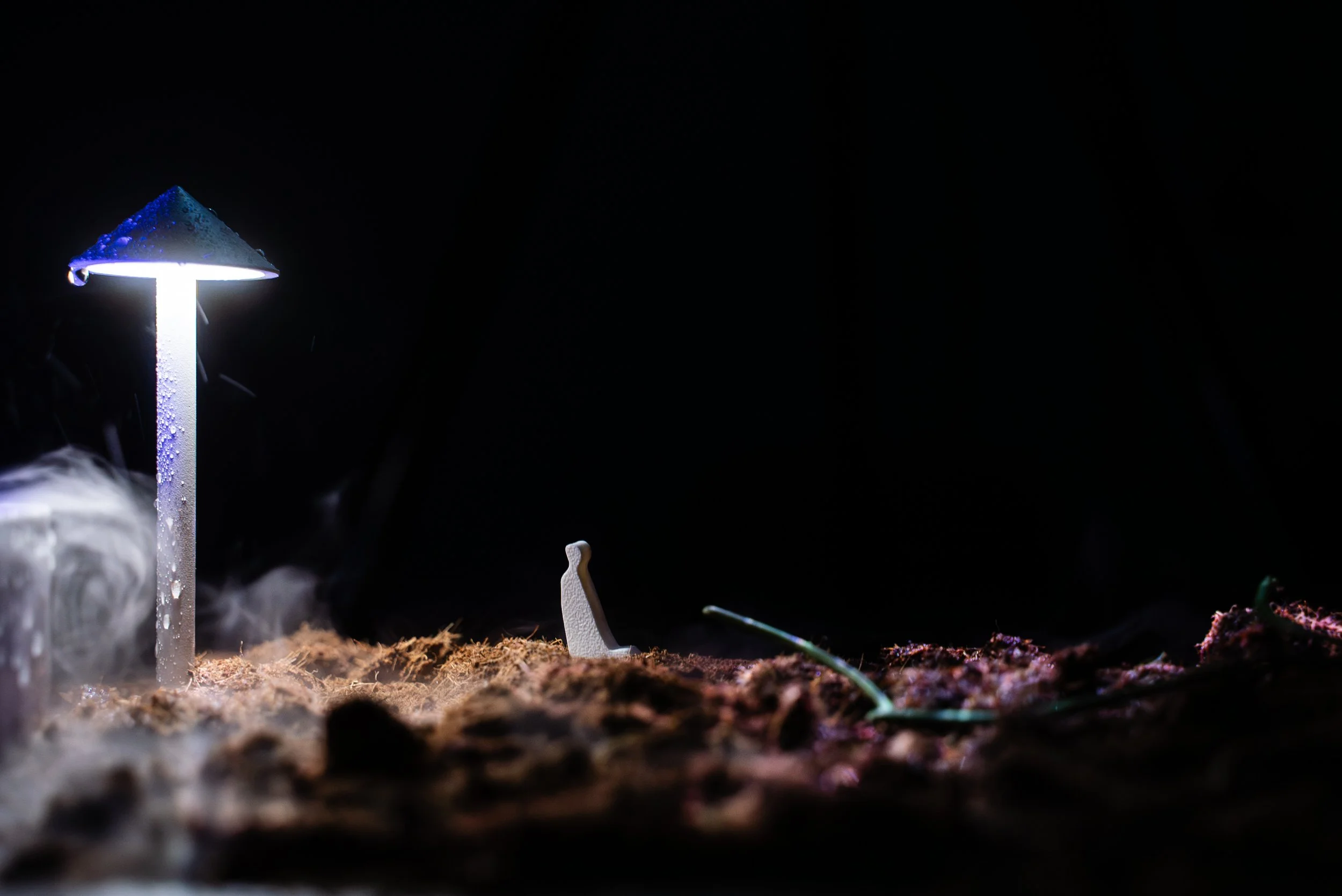
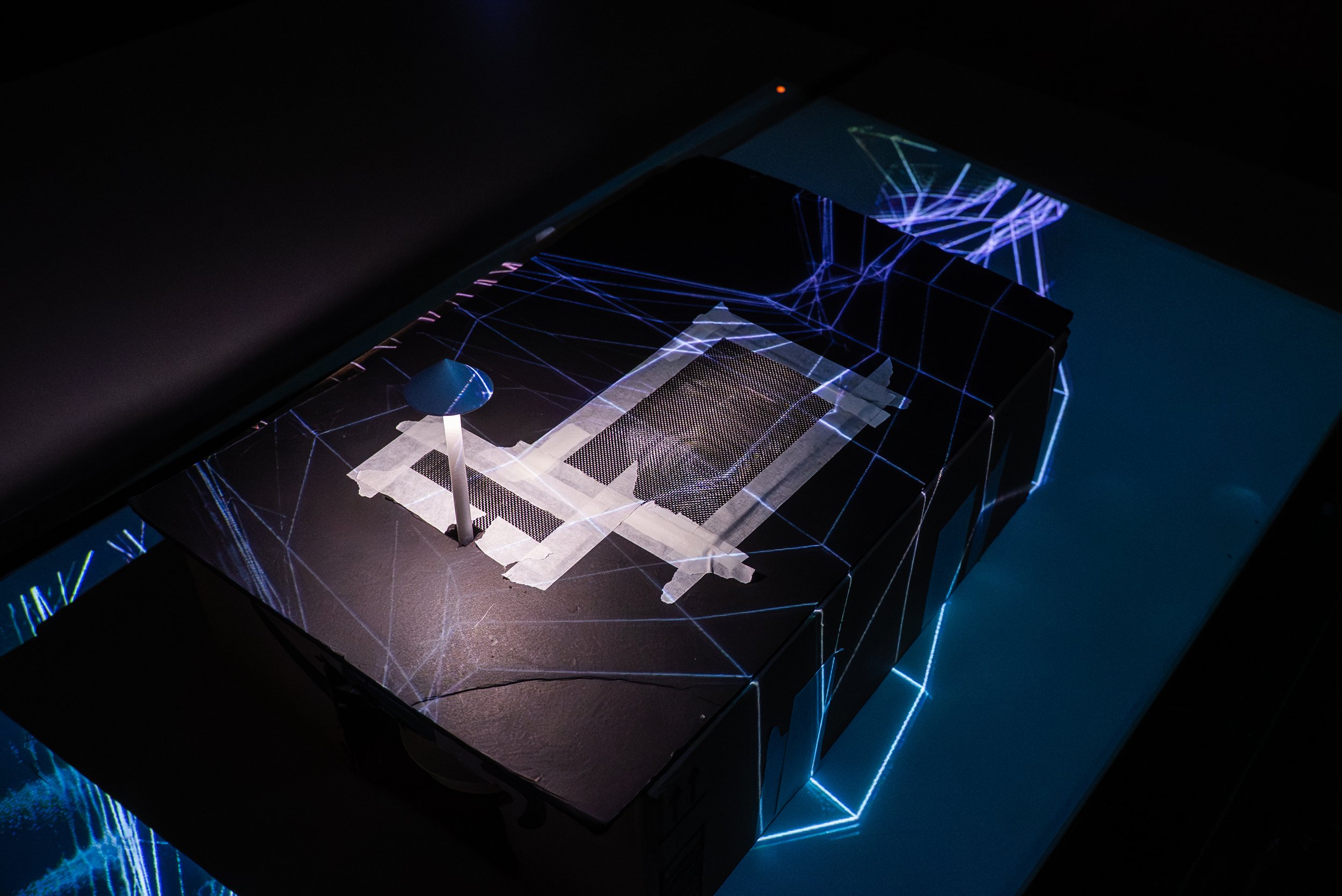
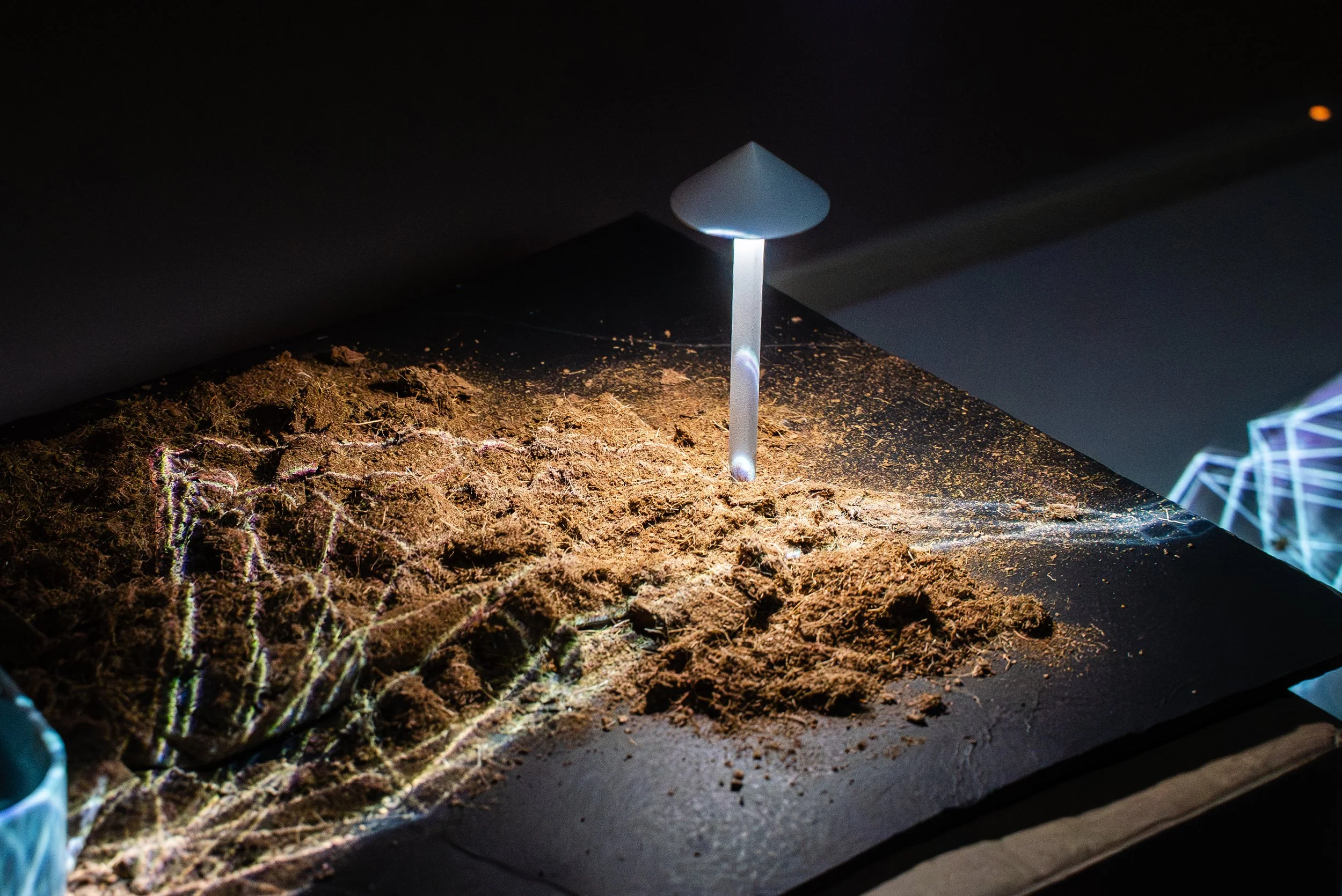
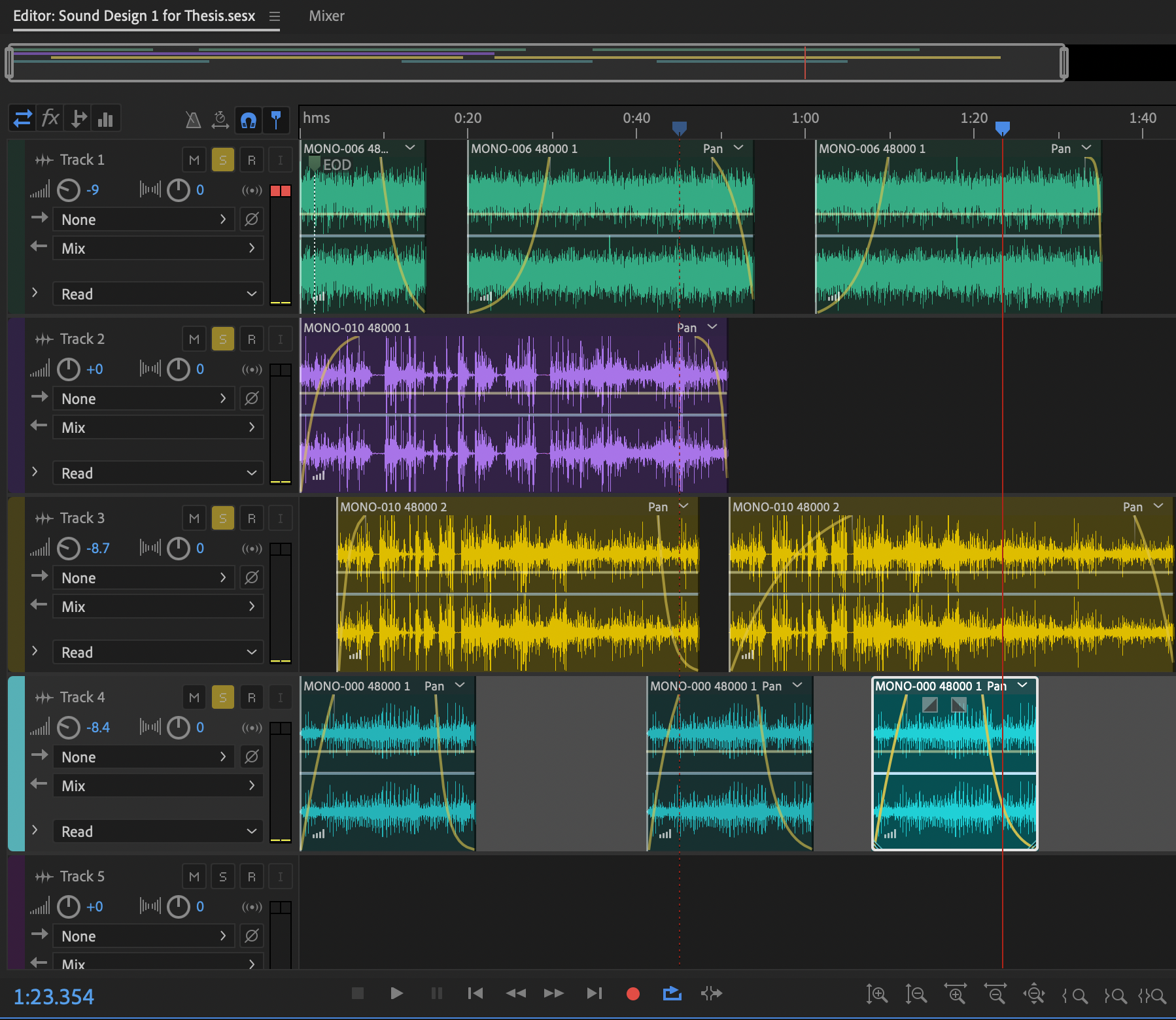
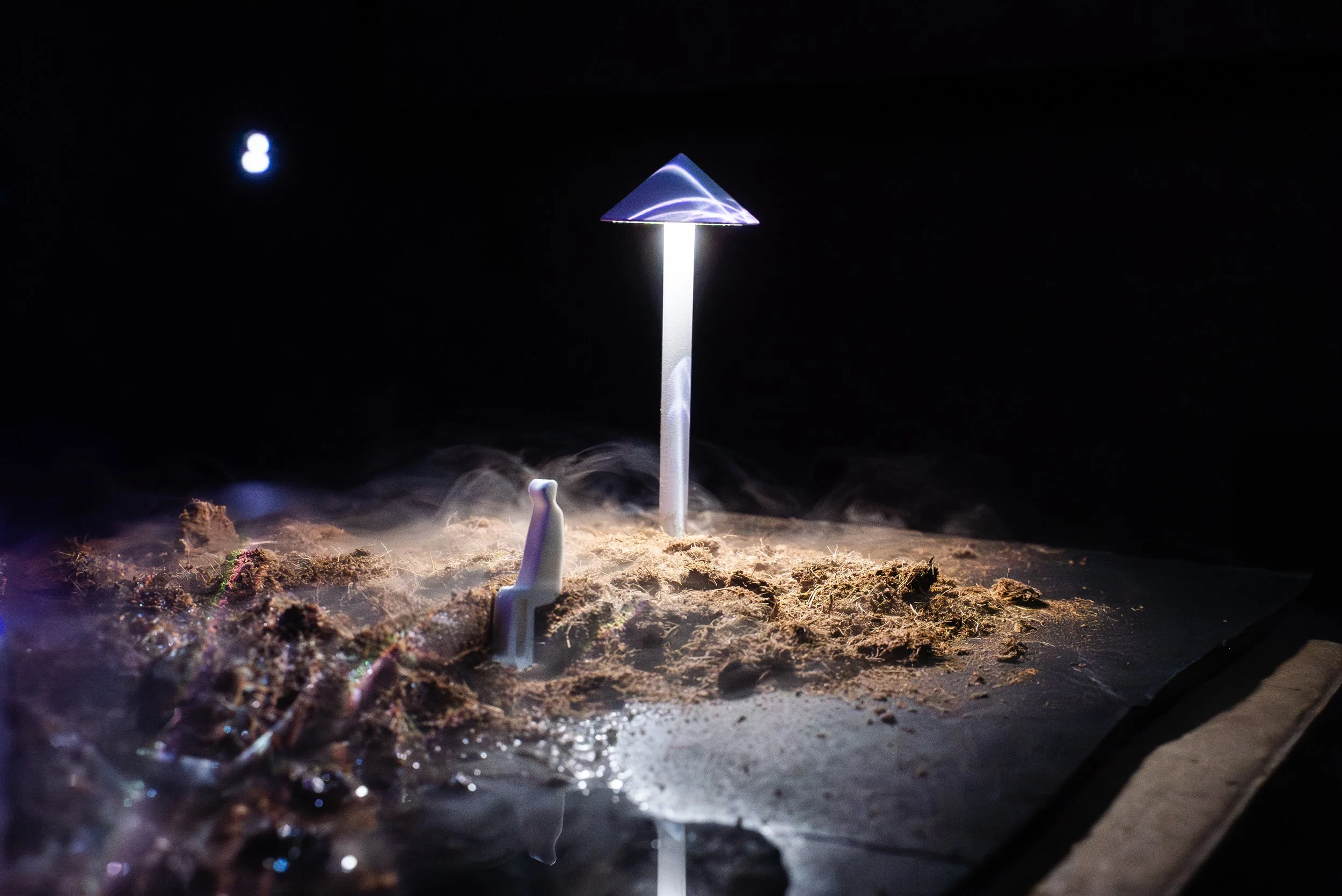
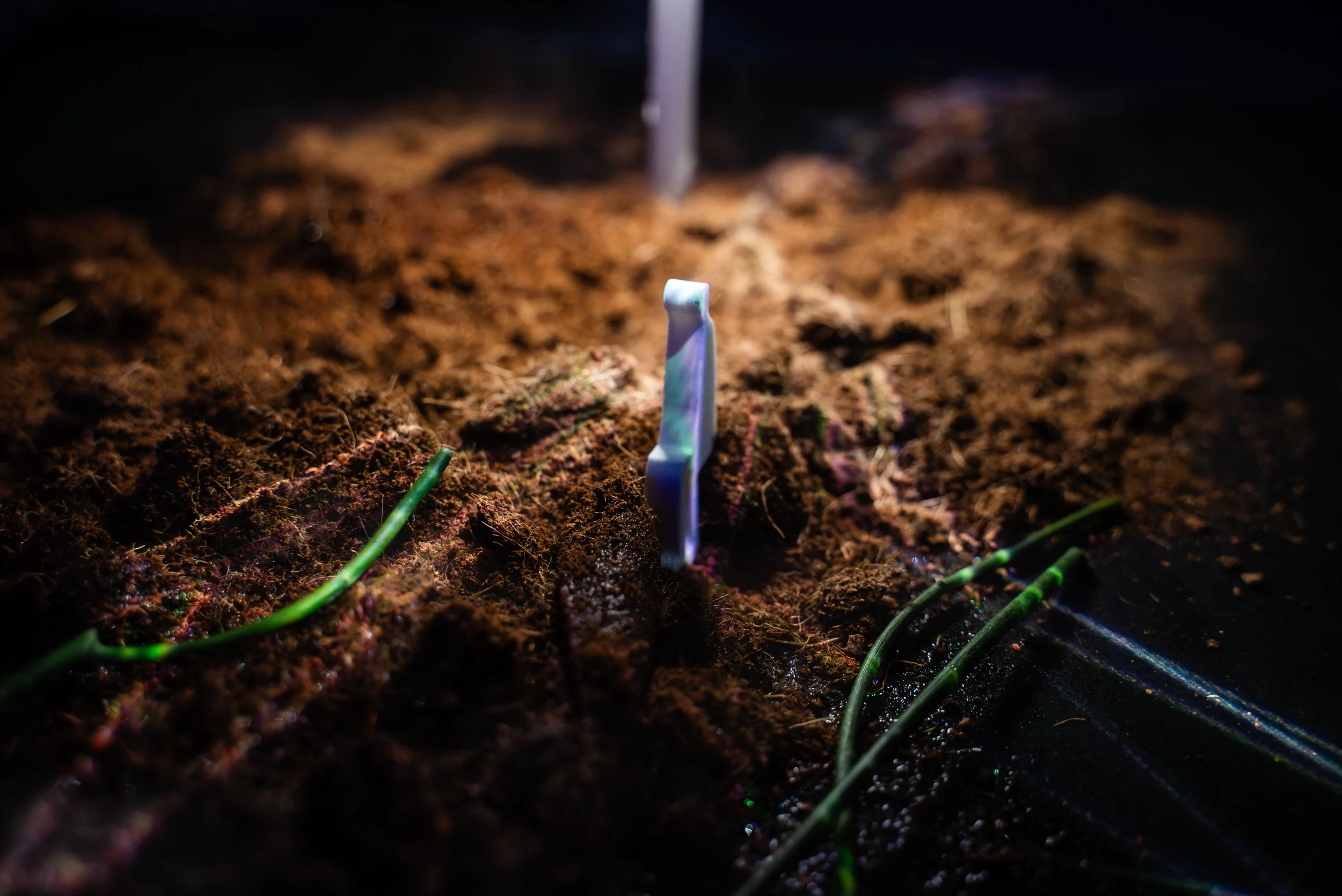
The present prototype functions as a research tool: a miniature installation composed of dirt, branches, mist, projected river light, and natural sound. Working at this smaller scale allows for faster testing, more frequent feedback, and closer study of how individual elements interact to shape perception.
Research Direction:
The project is informed by a history of immersive and participatory art, from Allan Kaprow’s environments to the perceptual experiments of James Turrell and the sensory installations of Ann Hamilton. It also draws on contemporary discussions of simulation, perception, and embodied experience, including Maslow’s theory of peak experiences, Anil Seth’s account of perception as a controlled hallucination, and questions raised by Baudrillard about the emotional truth of constructed environments.
Goal:
This project also responds to a broader cultural need for slower, more concentrated forms of attention. In contrast to environments shaped by distraction and speed, the installation is intended to offer a space of sensory focus, emotional openness, and temporary escape.